Beechjet 400A or Hawker 400XP: the same jet, two names and one ANAC code
Two decades of different commercial names for the same design. Separating Beechjet from Hawker means understanding what really changes the value of a used one.
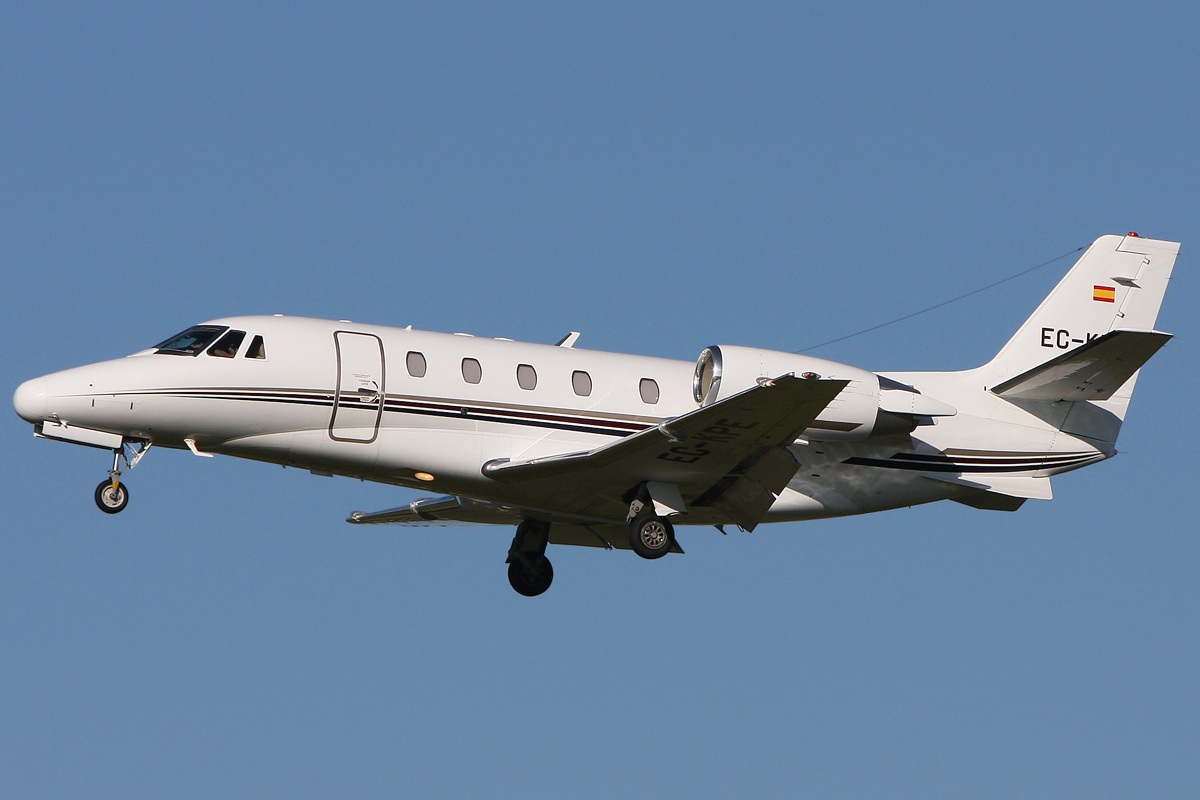
Search "beechjet 400a price" and "hawker 400xp market value" on the same day, on different sites, and it is easy to walk away convinced they are two different aircraft. One listing costing half of the other, near-identical specifications, and not a line explaining why. It is not a typo or a sloppy appraisal: it is the same jet, with names from different decades, and the naming confusion is as common as the aircraft itself. For anyone buying, selling or maintaining this jet, understanding which of the three names is in front of each listing is the difference between negotiating with information and negotiating in the dark.
The Beechjet 400A and the Hawker 400XP (and the newest version, the Hawker 400XPR) are the same family of twin-engine light jet, renamed more than once over four decades. In ANAC's RAB, Brazil's civil aircraft registry, every variant is entered under the same ICAO code: BE40.
Three names, one aircraft
The lineage started in Japan: the Mitsubishi Diamond (designation MU-300) was the original design, later licensed and taken over by Beechcraft, which renamed the aircraft the Beechjet 400 and then, with a revised pressurized cabin and other improvements, the Beechjet 400A. The name changed again when Beechcraft's then-owner bought the Hawker brand from British Aerospace: the same aircraft, with updated avionics and finish, became the Hawker 400XP. The newest generation, the Hawker 400XPR, replaced the original Pratt & Whitney Canada JT15D engines with Williams International FJ44s, with gains in efficiency and TBO (the interval between major engine overhauls). The original Diamond II also remains under the same type code in the registry, but it is today a residual fleet, much smaller and far more depreciated than the Beechjet and Hawker generations, and that is why it is left out of this article.
For the market, this means the same fuselage shape, the same mission (a low-cabin light jet, ideal for short and medium trips) and the same maintenance question show up under different labels depending on when the aircraft left the factory and who resold it afterward. For anyone looking up the ANAC RAB, the distinction between the commercial names does not even appear: the registry works with the type code, not with whatever the marketing name of the day is.
It is a confusion the press itself often reproduces: a story cites "Beechjet 400A" in a headline and describes, in the body, a unit that is actually a newer Hawker 400XP (or vice versa), because the reporting source did not separate the commercial names from the aircraft's real type. The practical effect is a fragmented search market: anyone looking for a price, specification or news on this jet never knows whether they are searching by the right name, and side-by-side comparisons between similar models (as in the Jet Tracker comparison tool) help solve this because they compare by data sheet, not by the listing's label.
The price that changes names along with the aircraft
| Variant | Factory price (historical) | Situation |
|---|---|---|
| Beechjet 400A | $6.8 million | Out of production since the Hawker 400XP arrived |
| Hawker 400XP | $7.0 million | Out of production since the 400XPR arrived |
| Hawker 400XPR | Not built as a new aircraft (engine retrofit on the same airframe) | ~$2.5 million used reference (PAPI valuation, Mar 2026) |
The first two numbers are historical factory prices, not what a unit is worth today: a production-line Beechjet 400A or Hawker 400XP already has decades of use, and the market value of a used aircraft of this generation converges toward the PAPI reference range for the Hawker 400XPR, the newest variant of the family (source: Jet Tracker specifications by model, PAPI valuation of Mar 2026). It is this gap, factory price on one side, used valuation on the other, that makes a listing look "too cheap" when it is really just quoting the wrong yardstick.
The same warning applies to anyone reading a court auction or debt-enforcement price: the opening bid of a proceeding is set by the proceeding's own valuation, often conservative and outdated, and is not a market reference. The correct yardstick is the used valuation of the equivalent variant, not the minimum winning bid published in the notice.
The same aircraft cost 6.8 million dollars new in 1994 and is worth a fraction of that today. The right question is never "what did it cost," it is "what is it worth now, with how many hours and with which engine."
What it costs to fly a BE40 in Brazil
That number already bakes in the part that most separates the variants: the engine. It is the first thing to check before negotiating a used unit, because it changes the entire reserve program.
Beechjet 400A and Hawker 400XP
- Pratt & Whitney Canada engine, the family original
- TBO of 3,600 hours
- More expensive reserve program per engine hour
- Larger fleet, parts and labor easier to find
Hawker 400XPR
- Williams International engine, retrofit on the original airframe
- TBO extended to 5,000 hours
- More efficient engine reserve per flight hour
- Smaller fleet in Brazil, unit usually newer
A newer engine costs more to buy used, but spreads less reserve per flight hour, and that math changes the total cost of ownership more than the label on the aircraft's tail. Anyone deciding between buying or chartering a jet this size will find the full math, with hangar, crew and insurance, in the business jet cost guide.
How many BE40s fly in Brazil today
It is a fleet in which a good share of the units are already twenty or thirty years old. A jet with that much use changes hands often (the RAB records the ownership movement, never the reason for it), and enters the secondary market through varied channels: direct resale, a broker, and also court auction, when the asset becomes part of an enforcement, seizure or bankruptcy proceeding.
It is also a regional-mission jet by nature: a cabin for six to eight passengers, range to connect state capitals and mid-sized cities nonstop, and a runway requirement short enough to operate away from the big hubs. That is why it often shows up associated with companies in the interior and with air charter operators, alongside the larger jets concentrated on the São Paulo axis, a topic the fleet map by state covers in depth.
What the RAB shows (and what it does not update on its own)
This applies to any aircraft, and doubly to a family with four decades on the market and three commercial names: the maintenance history, the installed engine (JT15D or FJ44) and the real status in the registry weigh more in the buying decision than the "Beechjet" or "Hawker" label stamped on the listing.
It is exactly this gap, a seizure or dispute that does not update the registry in real time, that makes it worth tracking continuously, not just at the moment of purchase: the ownership movement history and the current status of every BE40-family registration are open, with a source and date, in Jet Tracker's movements analytics.
Before buying (or winning at auction) a used BE40
Commercial name aside, the buying due diligence for a jet of this generation follows the same script as any used aircraft, with a few points specific to the family:
- Engine and reserve program. Confirm whether it is JT15D (400A, 400XP) or FJ44 (400XPR): it changes the TBO, the overhaul cost and the resale value.
- Lien and RAB status. A fiduciary lien, attachment or active seizure does not appear in the listing, only in the official registry lookup.
- CVA validity. An expired certificate is a sign of stalled maintenance, not just pending paperwork.
- Complete maintenance history, including airworthiness directives complied with and any prior structural damage.
- Independent pre-purchase inspection, done by a certified repair station that is not the seller's, before closing any deal.
The full script, with what to ask at each step, is in the guide to buying an aircraft in Brazil.
In the end, the question "Beechjet or Hawker" never had two right sides and a wrong one: they are successive names of the same project, and the information that separates a good deal from a bad one was never in the commercial name. It is in the installed engine, in the maintenance history and in what the official registry shows about lien and status, not in the listing's label or in the headline that brought the aircraft into the conversation.
Did this article help? Like it and send it to whoever flies, buys or sells in this market.
Frequently asked questions
Are the Beechjet 400A and Hawker 400XP the same aircraft?
They are the same family of twin-engine light jet, renamed more than once: Mitsubishi Diamond (MU-300) at the origin, Beechjet 400/400A under Beechcraft and Hawker 400XP after the Hawker brand was incorporated. In ANAC's RAB, all variants use the same type code, BE40.
What is the difference between the Hawker 400XP and the Hawker 400XPR?
The engine. The 400XP runs on the family's original Pratt & Whitney Canada JT15D-5, with a 3,600-hour TBO. The 400XPR is a retrofit on the same airframe with Williams International FJ44-4A engines, a TBO extended to 5,000 hours and better fuel efficiency.
How much does a used Beechjet 400A or Hawker 400XP cost?
The historical factory price of the Beechjet 400A was $6.8 million and the Hawker 400XP's was $7.0 million, but neither is built today. The most recent used-market reference available is the PAPI valuation of the Hawker 400XPR, around $2.5 million (Mar 2026).
How much does it cost to operate this jet in Brazil?
The estimated direct operating cost for the family is around $2,587 per flight hour in Brazil, counting fuel, engine and maintenance (basis Jun 2026). The final figure varies by variant, mainly because of the engine program (JT15D or FJ44).
Why does a used jet sometimes show up at a court auction?
Aircraft with decades on the market change hands often, and a court auction (debt enforcement, attachment, bankruptcy) is one of the possible sale channels, alongside direct resale and brokers. The status in the RAB does not update automatically with the progress of the court case, so checking the lien and the CVA before bidding is essential.
Sources
- ANAC, Brazilian Aeronautical Registry (open data)
- Jet Tracker, specifications and operating cost by model (aircraft_models), data as of Jun 2026
- Aircraft Bluebook / PAPI, used-market valuation of the Hawker 400XPR (Mar 2026)
- Textron Aviation / Hawker Beechcraft, model history of the Beechjet/Hawker 400 family (manufacturer)