Publications
Jet Tracker Blog
Business aviation in Brazil, explained with official data: fleet, the RAB registry, costs, air taxi and market. Every figure cited carries a source and a reference date.
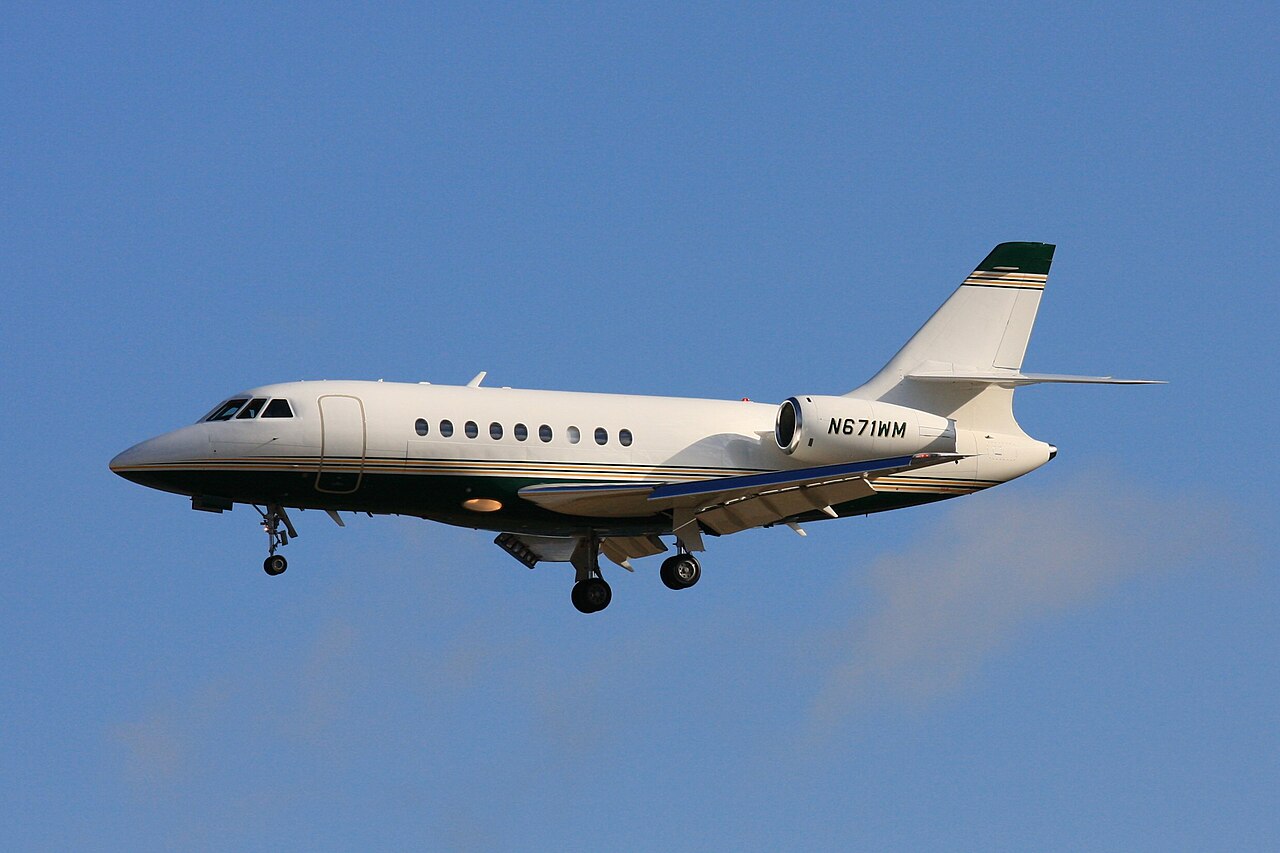
IntelligenceAug 20, 20268 min
JETNET, AMSTAT or Jet Tracker: which database truly covers Brazilian aviation?
The global platforms are the benchmark in the American market. The right question is a different one: who actually processes Brazil?
Read article
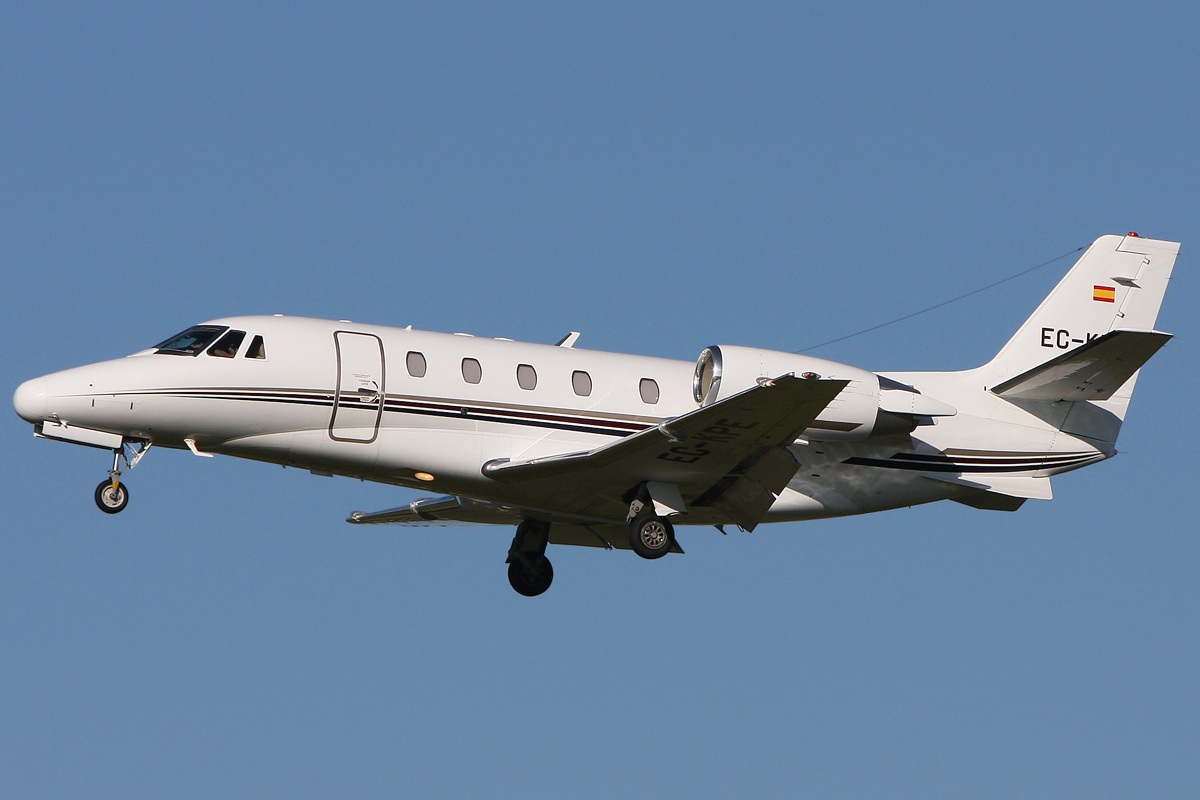
MarketAug 20, 20266 min
The most common aircraft (and jets) in Brazil's executive fleet: the live ranking
The top of Brazil's executive fleet is not what magazine covers suggest. The live ranking, straight from the registry, shows who really rules the ramp.
Read article
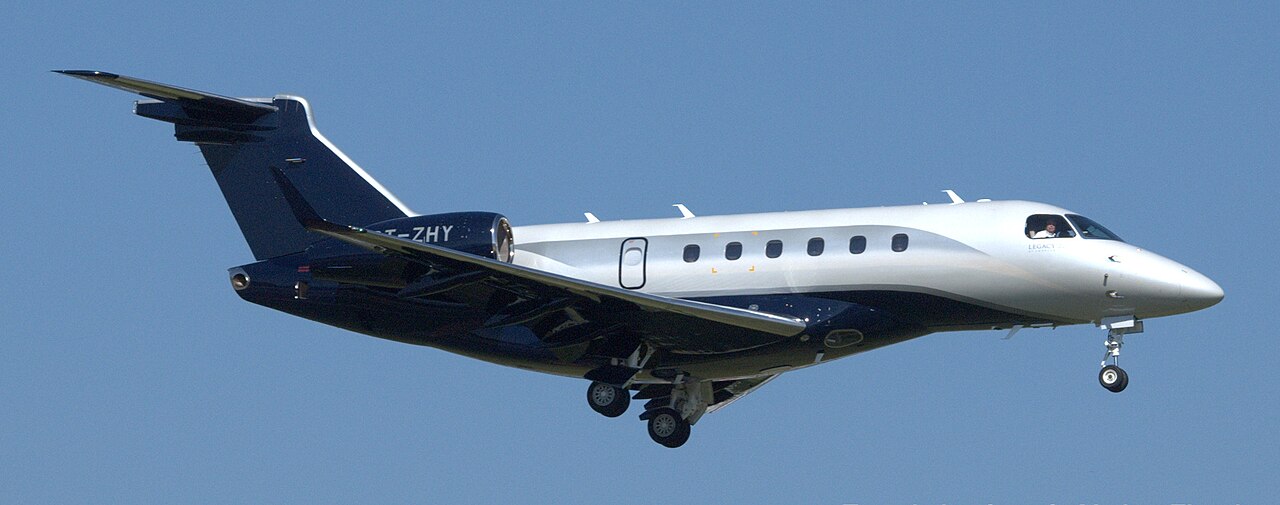
MarketAug 20, 20266 min
Which Brazilian state has the most business aircraft? The fleet, state by state
The executive fleet has a zip code. The live state ranking shows where the aircraft live, and where the customers of everyone selling to this sector live.
Read article
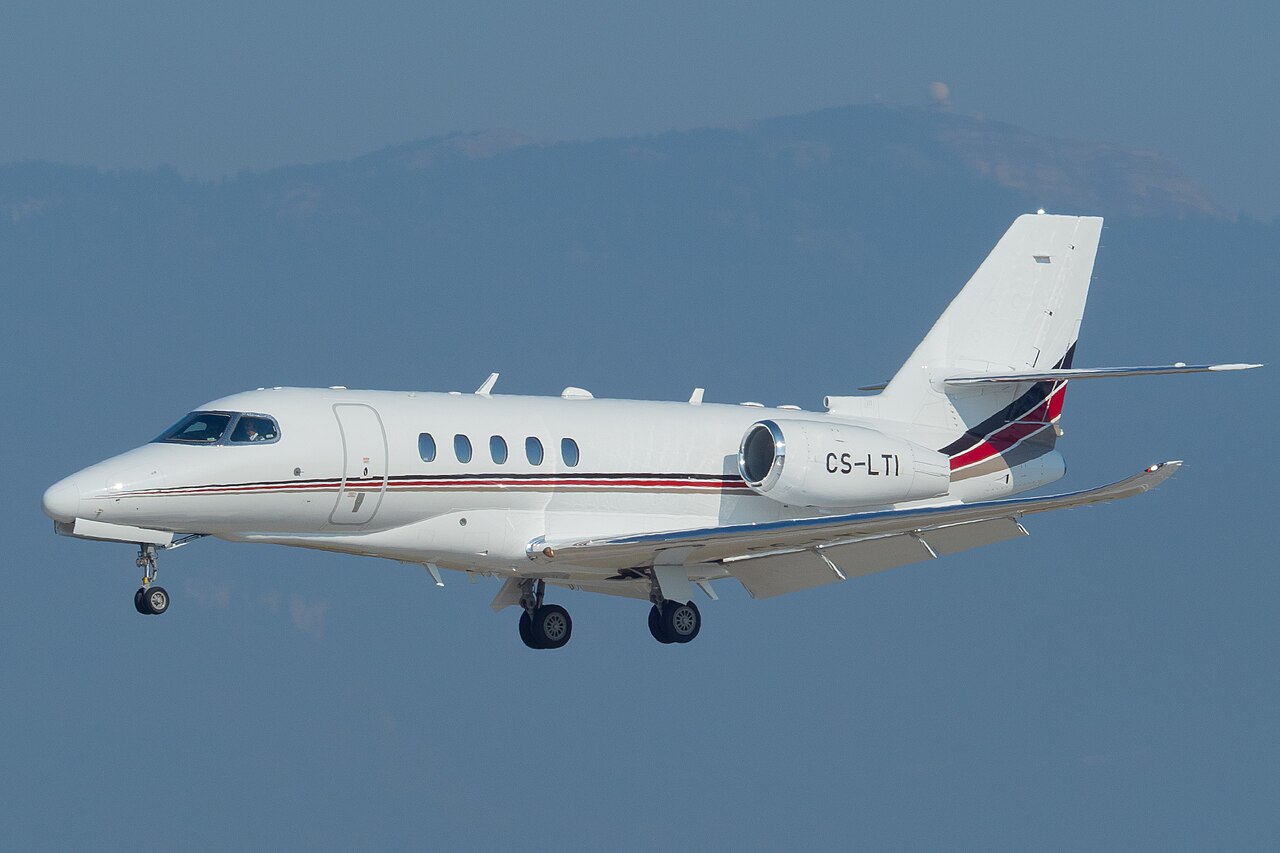
MarketAug 20, 20267 min
How many aircraft are for sale in Brazil? A live snapshot of the used market
Brazil's used market is big, and discreet: most listings do not even publish a price. The live figures tell that story.
Read article
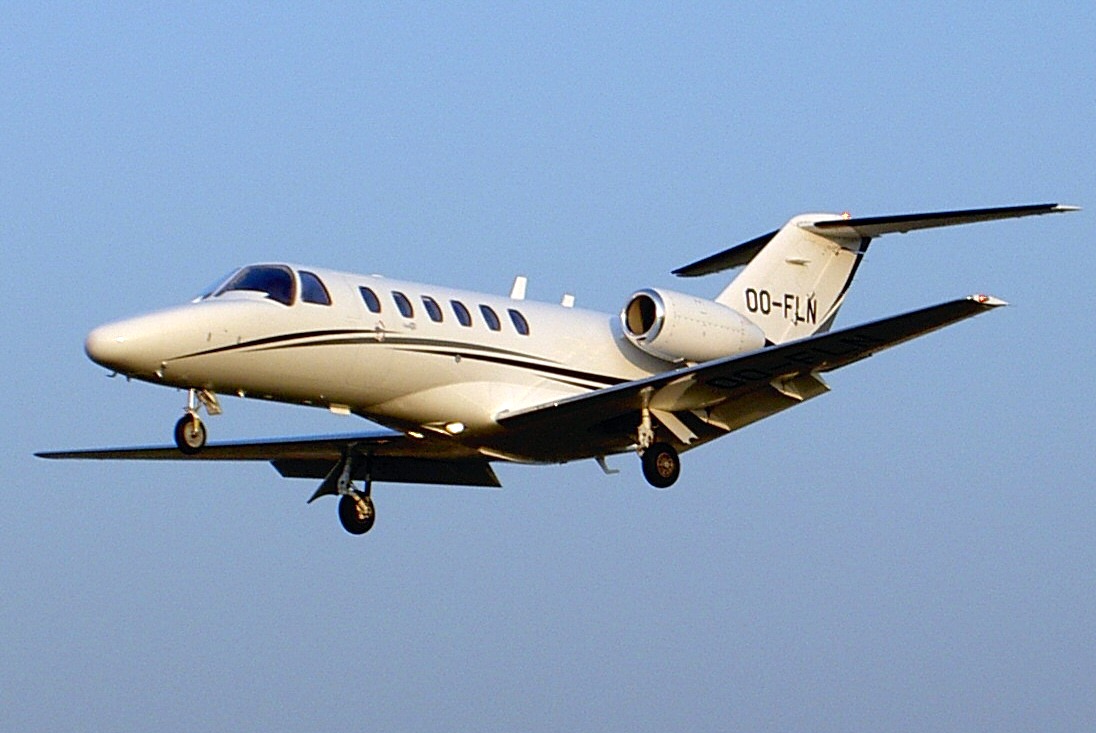
GuidesAug 2, 20269 min
RAB lookup: the complete guide to Brazil's civil aircraft registry
Every civil aircraft in Brazil is in the RAB. Knowing how to read the registry is the difference between finding a data point and understanding what it means.
Read article
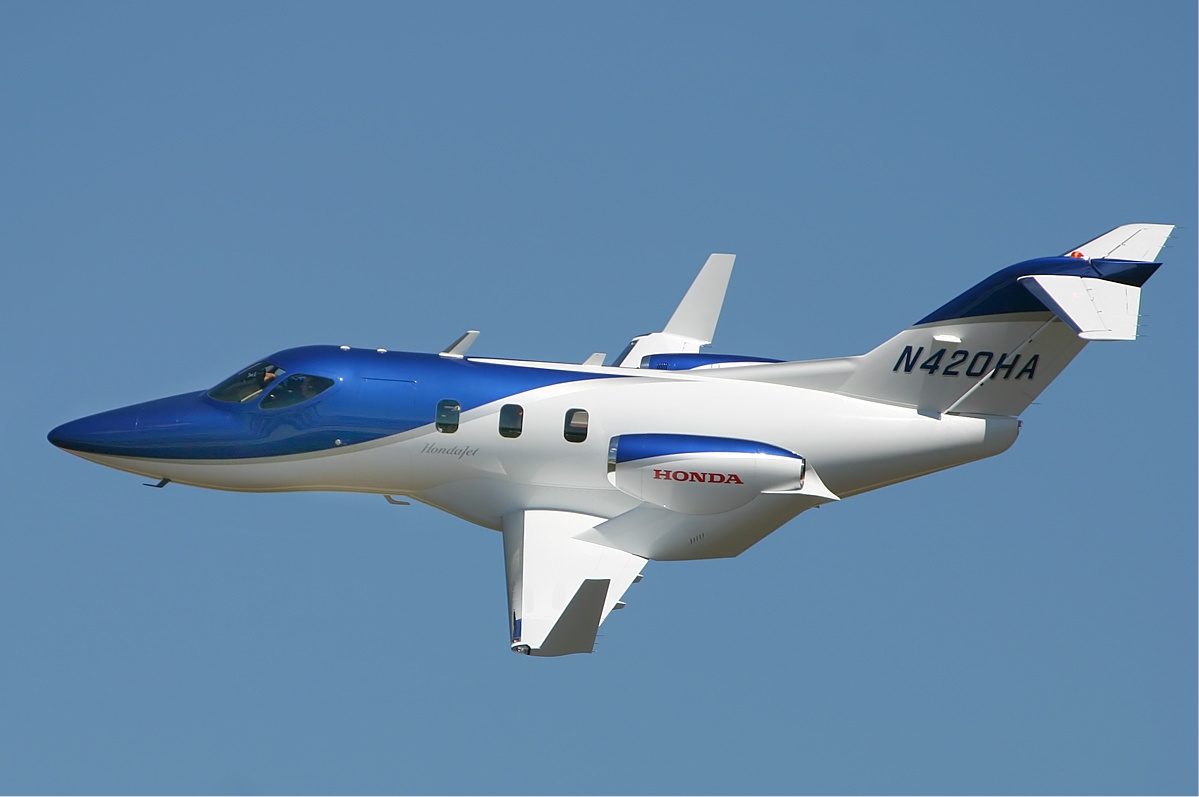
GuidesAug 2, 20267 min
Aircraft registration prefix: how to look up PT, PR, PS and what it reveals
Two letters before the hyphen tell more of a story than they let on: the era of the registration, the type of operation, and the trail to the operator.
Read article
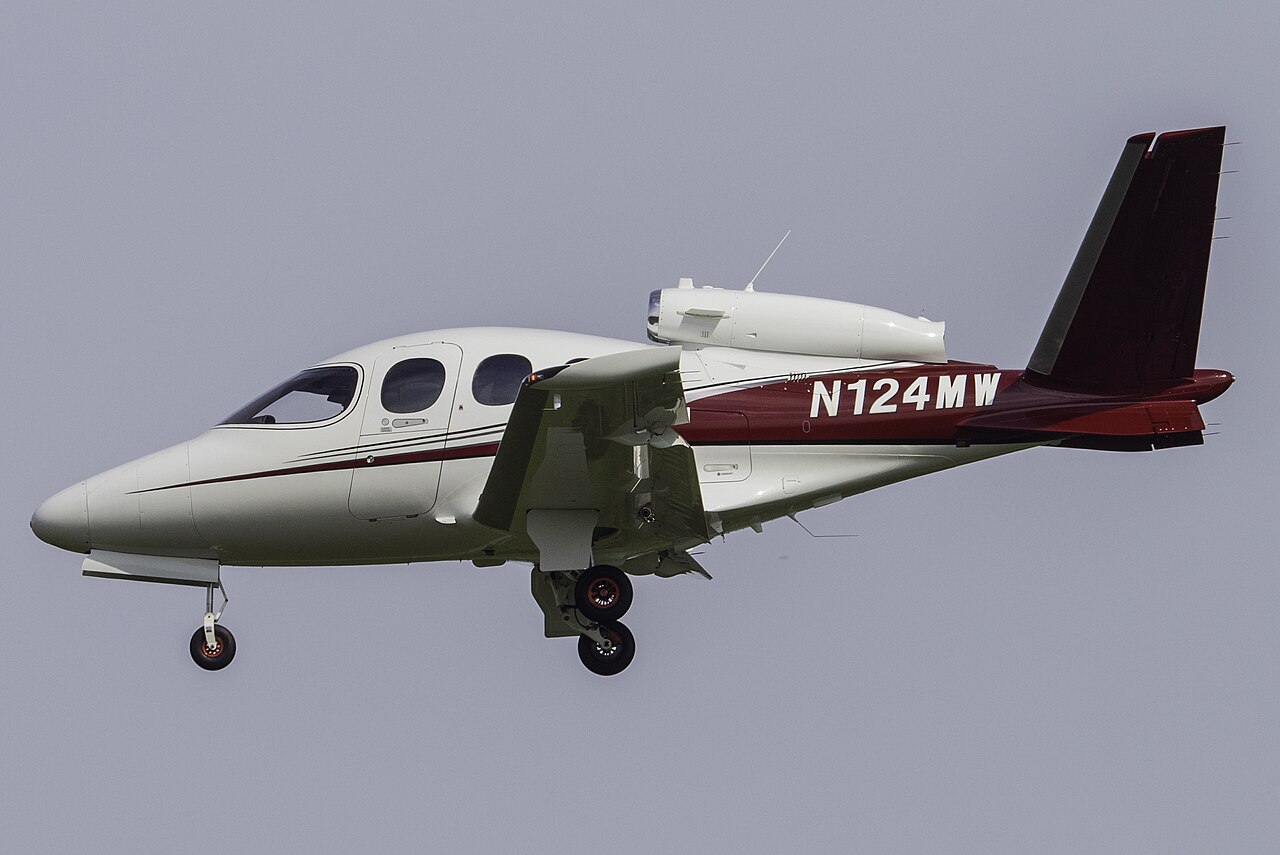
CostsAug 2, 202610 min
How much does a jet cost? The real cost of owning a business jet in Brazil
The right question is not the purchase price. It is what the aircraft costs sitting in the hangar before the first hour flown.
Read article
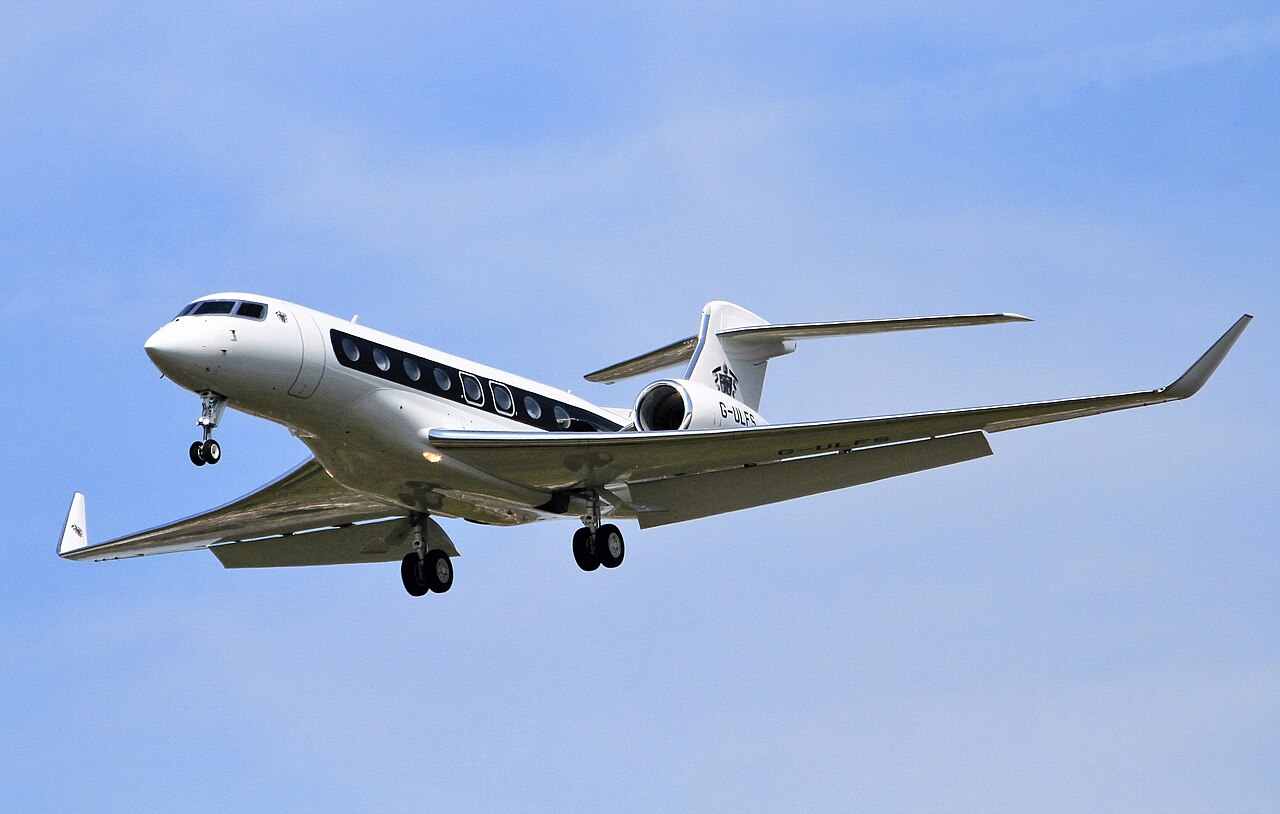
IntelligenceAug 2, 20268 min
What is Jet Tracker: the platform mapping every aircraft, company and model in Brazil
Every aircraft in Brazil. Who operates it, how much it flies, what it is worth. This is what the platform does and how it gets those numbers.
Read article
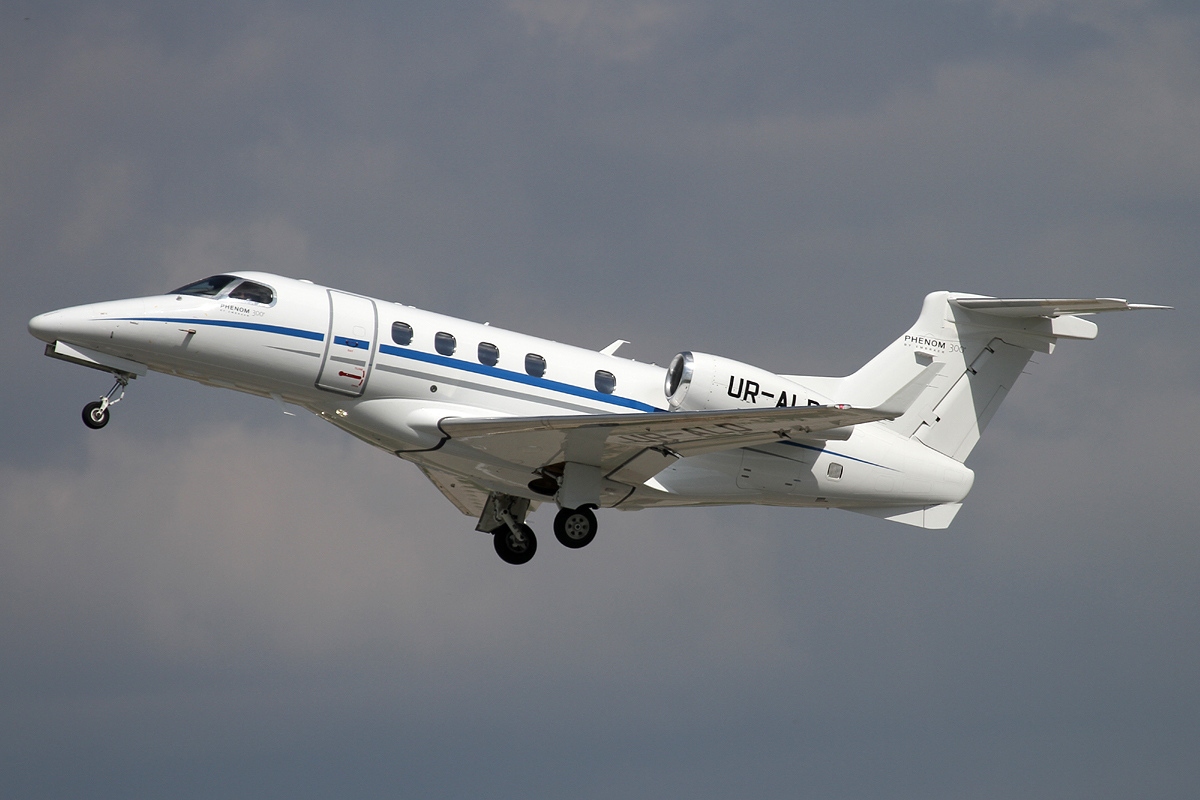
MarketAug 2, 20268 min
Brazil tops 11,000 business aircraft, ABAG says. Which ones, and who operates them?
The world's second largest business aviation fleet has an official number. What almost nobody has is the living list behind it.
Read article
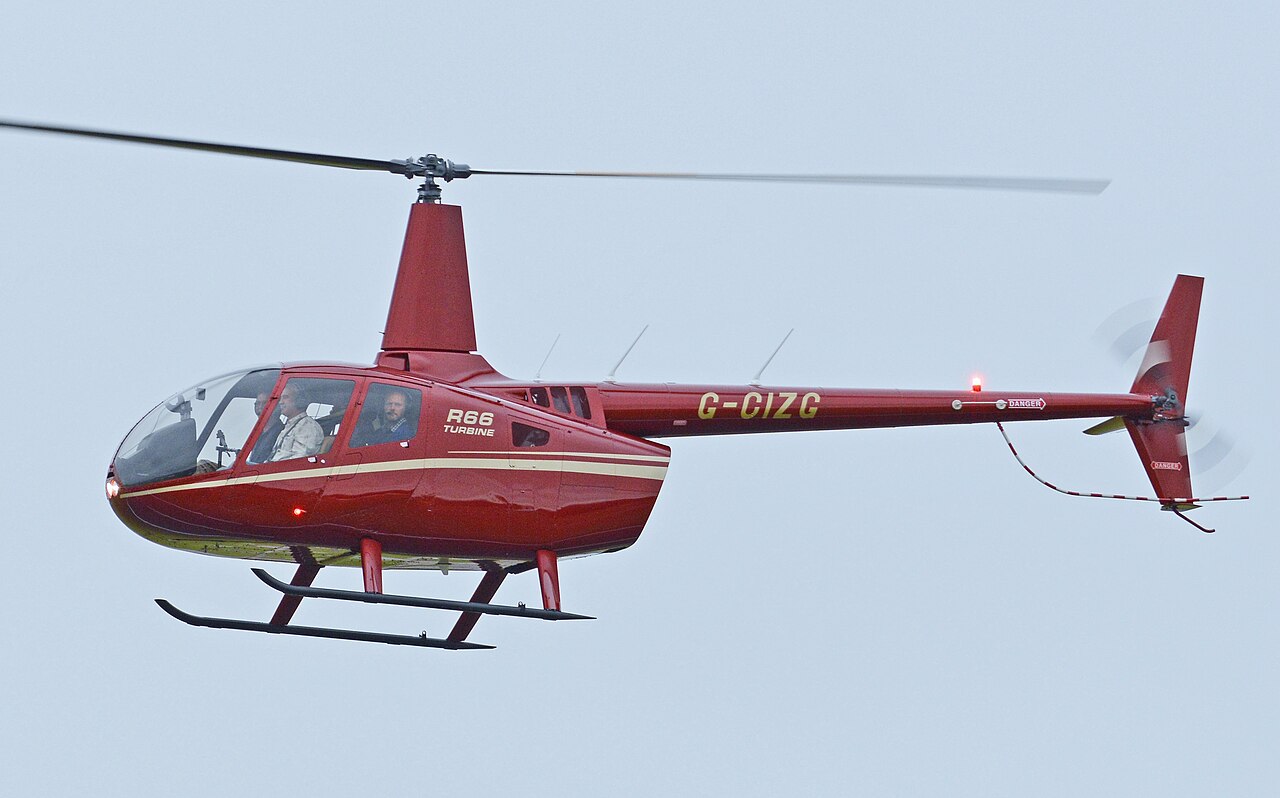
MarketAug 2, 20267 min
ANAC registration mark reservation: what it is and what the queue reveals about the market
Before every new aircraft enters service, a registration request already exists. That queue is the market's earliest signal.
Read article
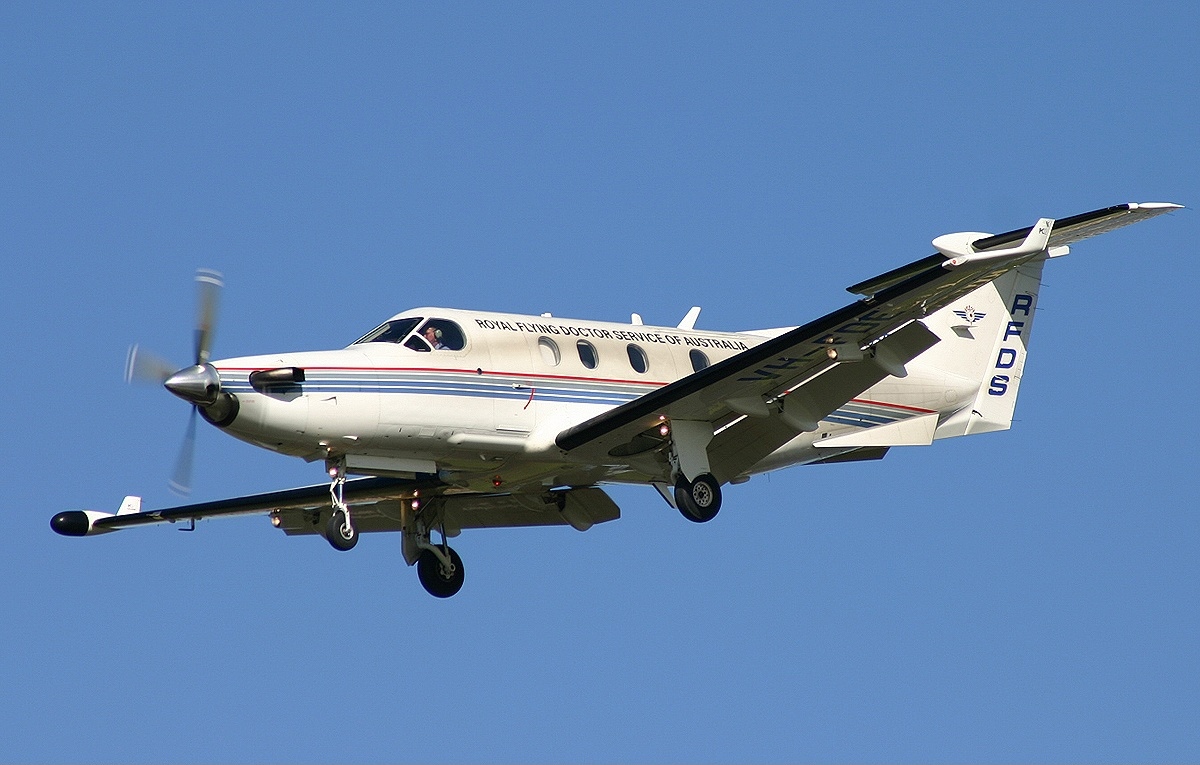
OperationsAug 2, 20267 min
Is air taxi safe? How to know whether an operator is ANAC-certified
The difference between air taxi and an unlicensed charter flight is not the airplane. It is the certificate, and it is public record.
Read article

OperationsAug 2, 20268 min
Air taxi in Brazil: how many companies exist, where they are, and what it costs to fly
Air taxi is the entry point into business aviation. This is the map of the sector, measured against the official registry.
Read article
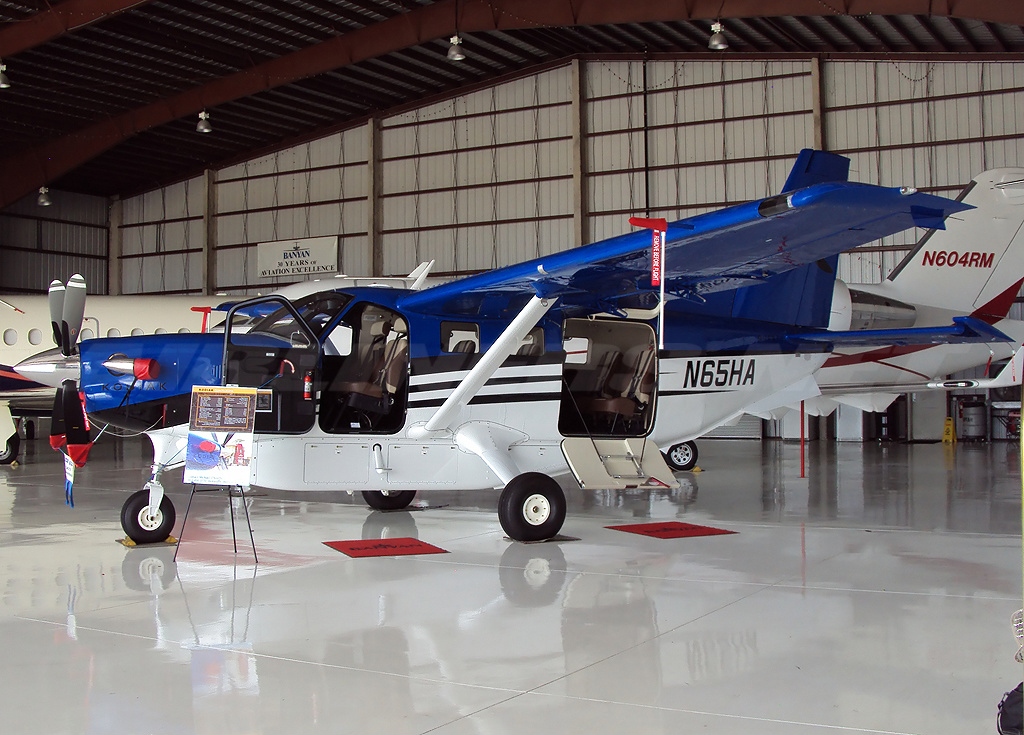
OperationsAug 2, 20267 min
ANAC-certified repair stations: the map of Brazilian MRO, state by state
No aircraft flies without a certified repair station. The map of Brazilian MRO says a lot about where business aviation really lives.
Read article
GuidesAug 2, 202610 min
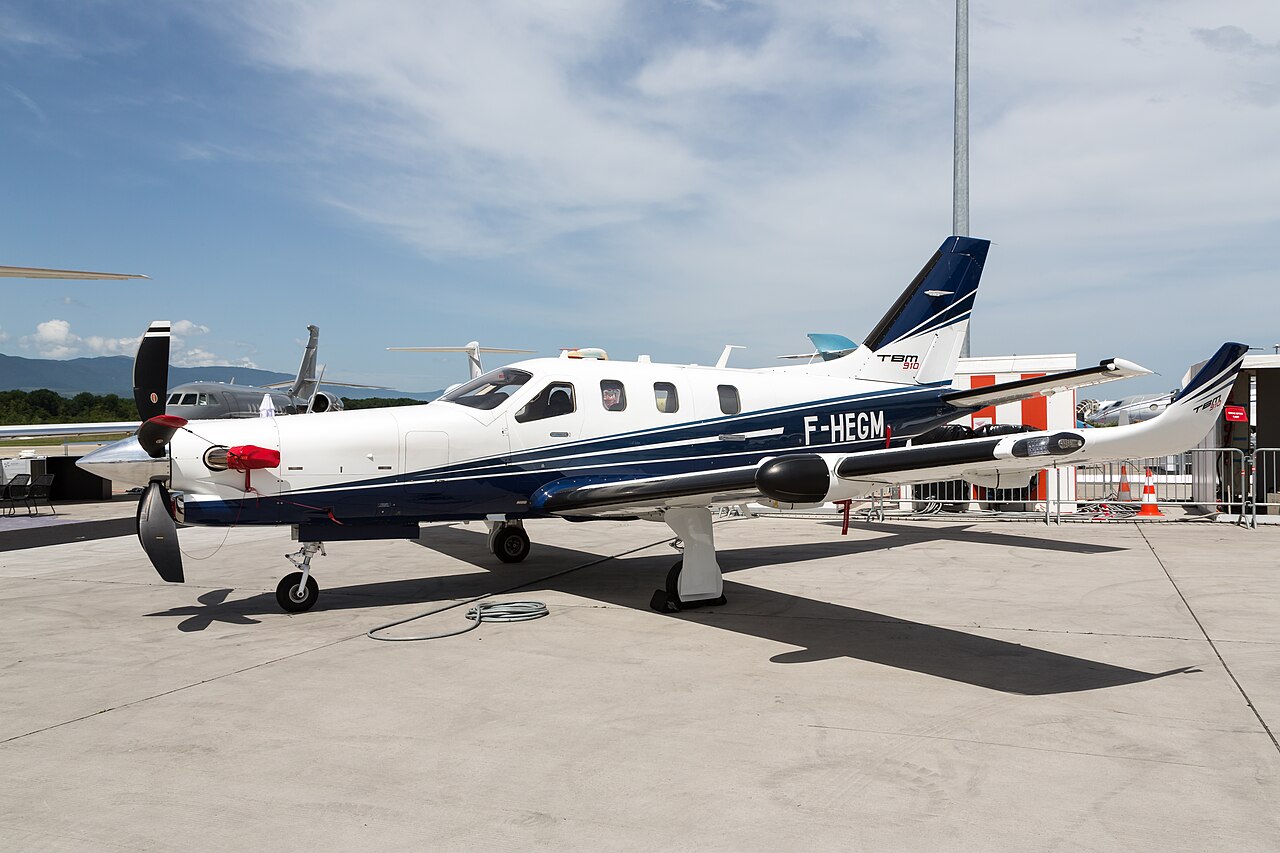
How to buy an aircraft in Brazil: the real step-by-step guide
Buying an aircraft is not like buying a bigger car. The process has its own paperwork, its own inspection and its own traps.
Read article
CostsAug 2, 20268 min
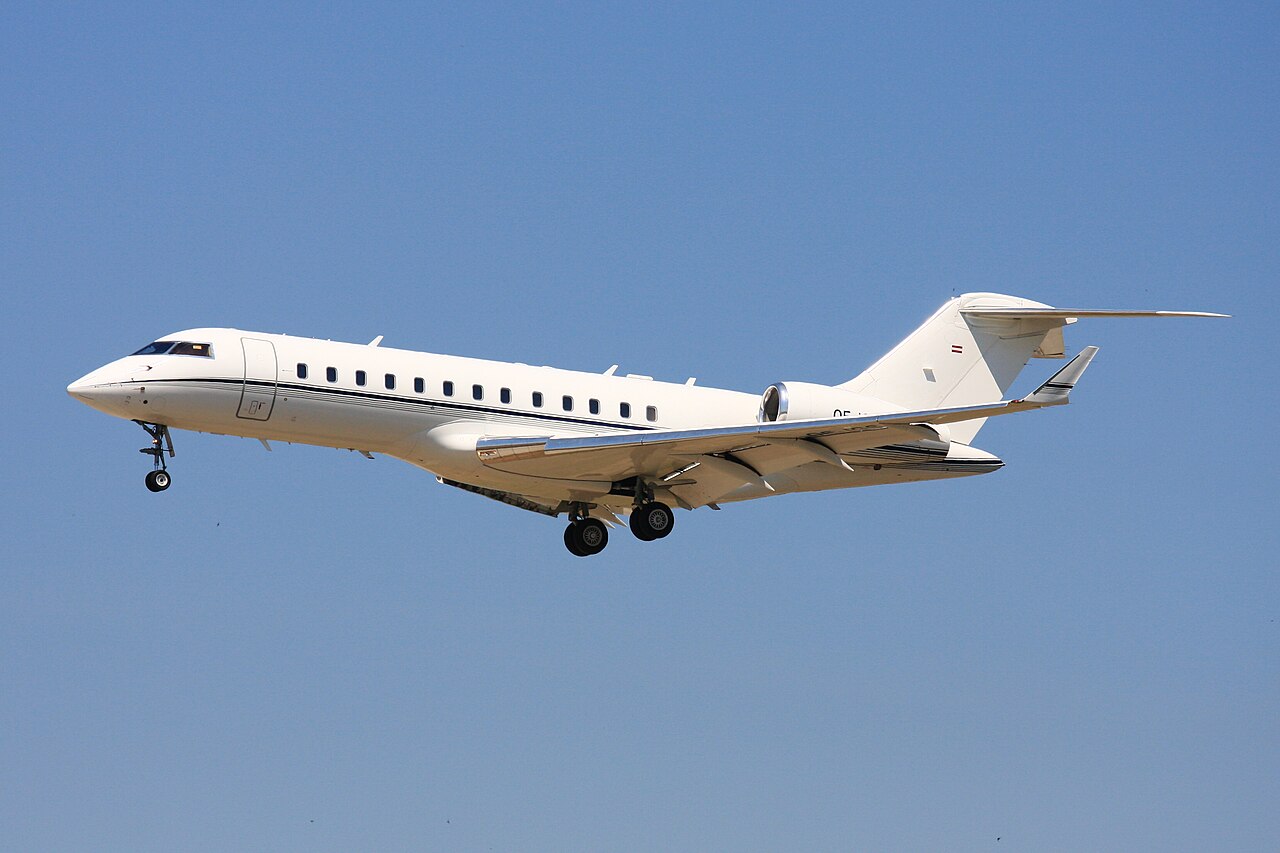
How much does it cost to import an aircraft: the real landed cost
The price in the listing is in dollars and outside the country. The number that matters is the cost of the aircraft registered and flying in Brazil.
Read article
IntelligenceAug 2, 20268 min
Market intelligence in business aviation: what it is, and why Brazil never had it
Every mature market decides with data. Brazilian business aviation decided for decades with a phone and a memory.
Read article
Method
Articles use the same sources as the product: the Brazilian Aeronautical Registry (ANAC), public corporate records, ADS-B positions, Brazilian fuel prices and public market listings. Live figures show their reference date; estimates are labeled as estimates.