Air taxi in Brazil: how many companies exist, where they are, and what it costs to fly
Air taxi is the entry point into business aviation. This is the map of the sector, measured against the official registry.
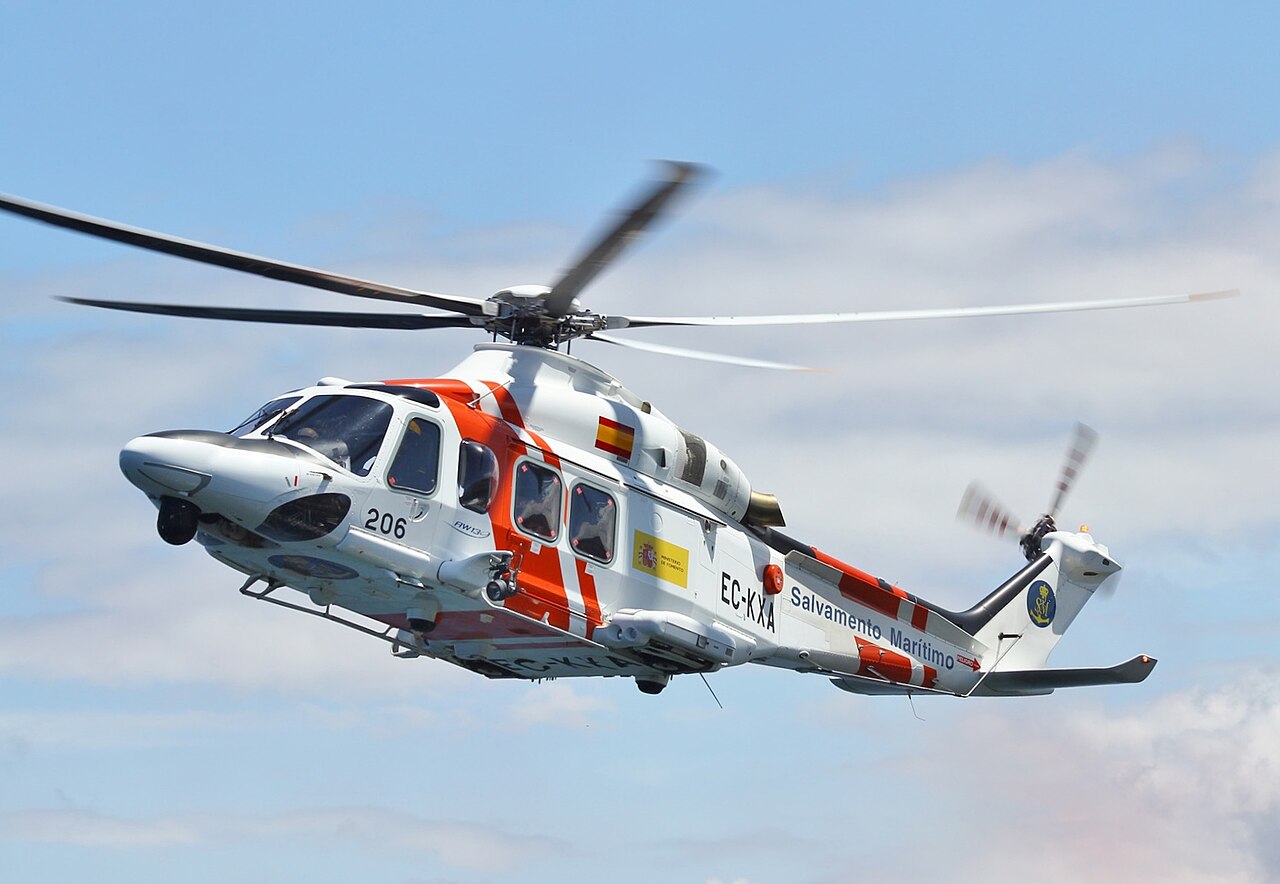
In São Paulo, air taxi (RBAC 135, akin to Part 135) means comfort: a helicopter crossing over gridlocked traffic below. In the interior of Mato Grosso, across the Amazon arc and on the platforms of the Campos Basin, it means infrastructure: what gets a doctor, a spare part and people where roads cannot reach. The same rule, RBAC 135, sustains both countries that exist inside Brazil.
Brazilian air taxi is on-demand public air transport, governed by ANAC's RBAC 135. This is a portrait of the sector as measured by the official registry: how many tails fly commercially, how many groups operate, where they are, and how charter pricing is formed.
The sector's scoreboard, now
Where air taxi lives
The private fleet concentrates in São Paulo. Air taxi does not: it spreads out because across half the country it is not a choice, it is the only bridge. The distribution by state of the declared base in the registry tells that story:
The full map, company by company, with each one's fleet and base, is in the RBAC 135 panel and the operator directory.
The four fleets inside air taxi
| Fleet | The role | Typical example |
|---|---|---|
| Helicopters | Urban and offshore: executive in the city, heavy on the platform | From the R66 to the AW139 on this article's cover |
| Turboprops | The backbone of the interior: short runways, contained cost | King Air, Caravan, PC-12 |
| Executive jets | Premium charter between state capitals and international routes | Phenom, Citation, Praetor |
| Piston | The entry-level tier in the wide yardstick of business aviation | Bonanza, Seneca and similar |
On the wide yardstick that includes piston aircraft: that is ABAG's criterion (Brazil's business aviation association), unpacked in the article on Brazil's 11,000-aircraft fleet. And on the hourly cost of each category, the full math is in how much a jet really costs.
How charter pricing is formed
The detail that surprises first-timers: the empty leg also costs money. If the aircraft has to fly to your city just to pick you up, that repositioning goes into the bill. That is why the same destination carries such different price tags: the quote depends on which aircraft is available at which base. A turboprop costs less per hour than a light jet, which costs less than a large jet; the full mechanics of hourly cost are in the Jet Tracker calculator.
Three readings the registry supports
Brazilian air taxi is fragmented: many small operators, few large ones, and consolidation as a permanent theme.
First: most groups operate only a handful of tails, which keeps the sector competitive and regionalized. Second: the border between private ownership and commercial operation is porous: owners place the aircraft on an operator's certificate to charter it out when they are not using it, diluting the fixed cost. Third: the queue of registration mark reservations for light turbine helicopters points to fleet renewal arriving at that end of the market.
Get the radar every Friday
New listings, price drops and probable sales of the week, straight to your inbox. Free.
Did this article help? Like it and send it to whoever flies, buys or sells in this market.
Frequently asked questions
How many air taxi companies exist in Brazil?
Jet Tracker tracks operators with active executive aircraft under RBAC 135 in the RAB; the live number is on this page and in the operator directory, always with a reference date. The total shifts through the year as certifications are issued and suspended.
How much does it cost to charter an aircraft?
Charter is priced by the model's hourly flight rate, plus airport fees, crew overnight costs and repositioning. Light turboprops cost less per hour than jets; the final price depends on the route and on which aircraft is available at the nearest base.
Where is air taxi concentrated in Brazil?
São Paulo holds the country's largest executive fleet, but air taxi is more spread out than the private fleet: the interior of the Center-West and the Legal Amazon depend on it as transport infrastructure, not as a comfort.