Brazil tops 11,000 business aircraft, ABAG says. Which ones, and who operates them?
The world's second largest business aviation fleet has an official number. What almost nobody has is the living list behind it.
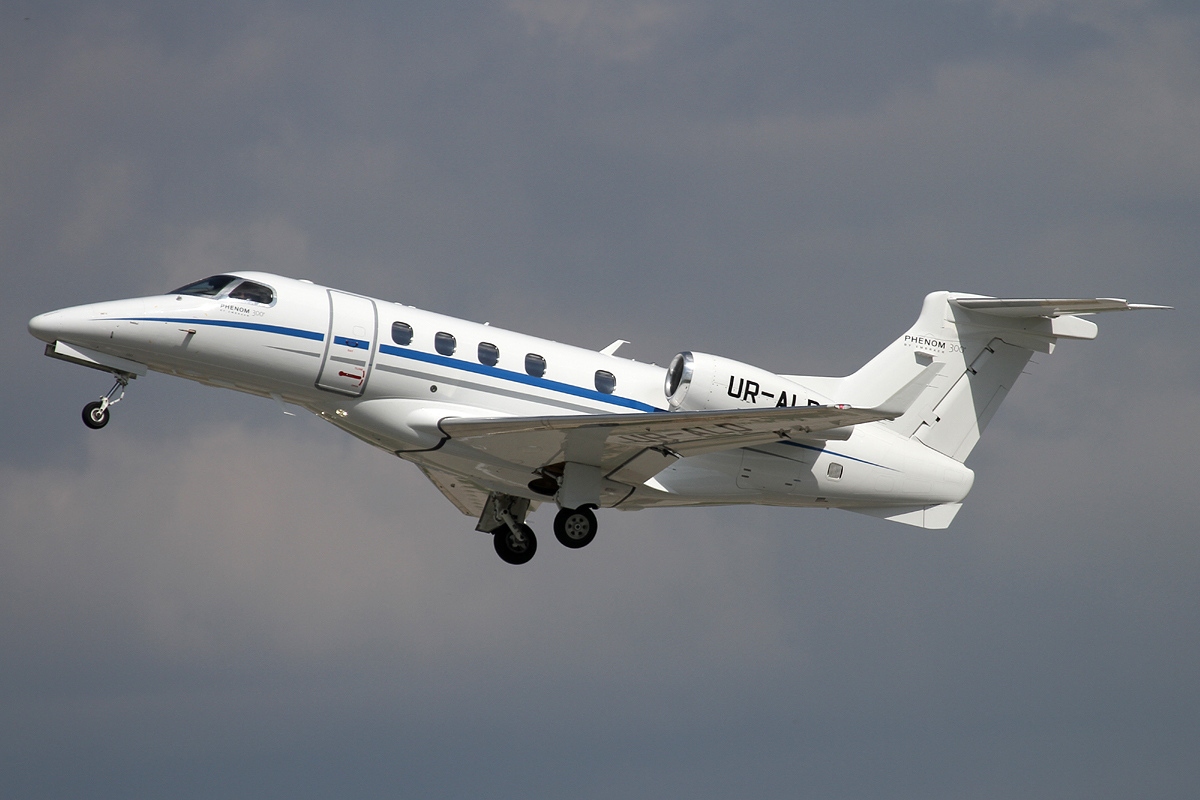
Only one country in the world has more business aircraft than Brazil: the United States. Not Germany, not France, not China. It is a position built on continental geography, a commercial air network concentrated in a handful of hubs, and an agribusiness sector that lives hours down the road from the nearest airport.
By ABAG's criteria (Brazil's business aviation association), the Brazilian business aviation fleet closed December 2025 at 11,338 aircraft. The number is official, public and correct. What it does not answer: which aircraft these are, tail by tail, and who operates them. This article opens the count, yardstick by yardstick.
The number
Where it comes from: ABAG applies to the RAB, Brazil's civil aircraft registry (ANAC), a filter of operating categories (private aviation, air taxi, specialized air services, flight instruction, direct administration), excluding scheduled airlines and experimental aircraft. Two cuts coexist in the association's panel: the total under the criteria (11,338) and the fleet in normal registry standing (10,678 on the same date).
"How many business aircraft does Brazil have?" takes more than one correct answer. The mistake is not having different yardsticks; it is citing a number without naming the yardstick.
The four yardsticks, side by side
ABAG's wide yardstick includes plenty of piston wing: the Cessnas, Pipers and Cirruses that handle flight instruction, light transport and the daily grind of the interior, plus agribusiness aircraft in eligible categories (a universe Jet Tracker covers in the Agro vertical). The narrow turbine yardstick captures the slice where the real money moves: heavy maintenance, high hull insurance, executive charter and multimillion-dollar deals.
Who operates the 11,000
The aggregate hides what matters. Tail by tail, the registry shows three distinct worlds:
The holding companies of economic groups. The aircraft owned outright, registered to an asset-holding company and flown under RBAC 91 (private aviation). It is the largest slice of the executive fleet, and the most discreet: in the July 2026 census, only 3 turbine executive aircraft were registered to an individual. Everything else sits under a CNPJ (corporate taxpayer ID).
Certified air taxi operators. The fleet that flies commercially under air taxi rules (RBAC 135, akin to Part 135), mapped operator by operator in the RBAC 135 panel and unpacked in the article air taxi in Brazil, by the numbers.
Fractional ownership and shared aircraft. The segment that grew the most over the last decade: one aircraft, several owners, professional management.
Linking each registration to the group behind it means cross-referencing the registry's CNPJ against Brazil's federal corporate ownership records. That continuous cross-reference is what turns "11,000" into a living list with a name, a fleet and an address: the operator directory.
The executive cut, measured now
And the registry never stops: registrations come in, drop out, change owners and change status every week. That flow, where the market actually happens, is what the monthly radars track by category, and what the queue of registration mark reservations anticipates.
Get the radar every Friday
New listings, price drops and probable sales of the week, straight to your inbox. Free.
Did this article help? Like it and send it to whoever flies, buys or sells in this market.
Frequently asked questions
How many executive aircraft does Brazil have?
It depends on the yardstick. By ABAG's criteria, business aviation closed December 2025 at 11,338 aircraft, including piston. In the turbine cut (jets, turboprops and turbine helicopters), Jet Tracker counted 4,185 operational aircraft in July 2026. Both counts are correct: they measure different things.
Does Brazil have the second largest business aviation fleet in the world?
Yes, second only to the United States. It is a position sustained by continental geography, a concentrated commercial air network, and the weight of agribusiness in the interior.
Who operates these aircraft?
Nearly all of it is registered to companies: asset-holding vehicles, the operating companies of economic groups, and certified air taxi operators. The public registry shows the company; understanding the group behind it means cross-referencing corporate ownership records, which is what Jet Tracker does.
Sources
- ABAG, business aviation indicators panel (Dec 2025)
- ANAC, Brazilian Aeronautical Registry (open data)
- Jet Tracker, Portrait of Brazilian Business Aviation 2026 (census, as of Jul 12, 2026)