How much does it cost to import an aircraft: the real landed cost
The price in the listing is in dollars and outside the country. The number that matters is the cost of the aircraft registered and flying in Brazil.
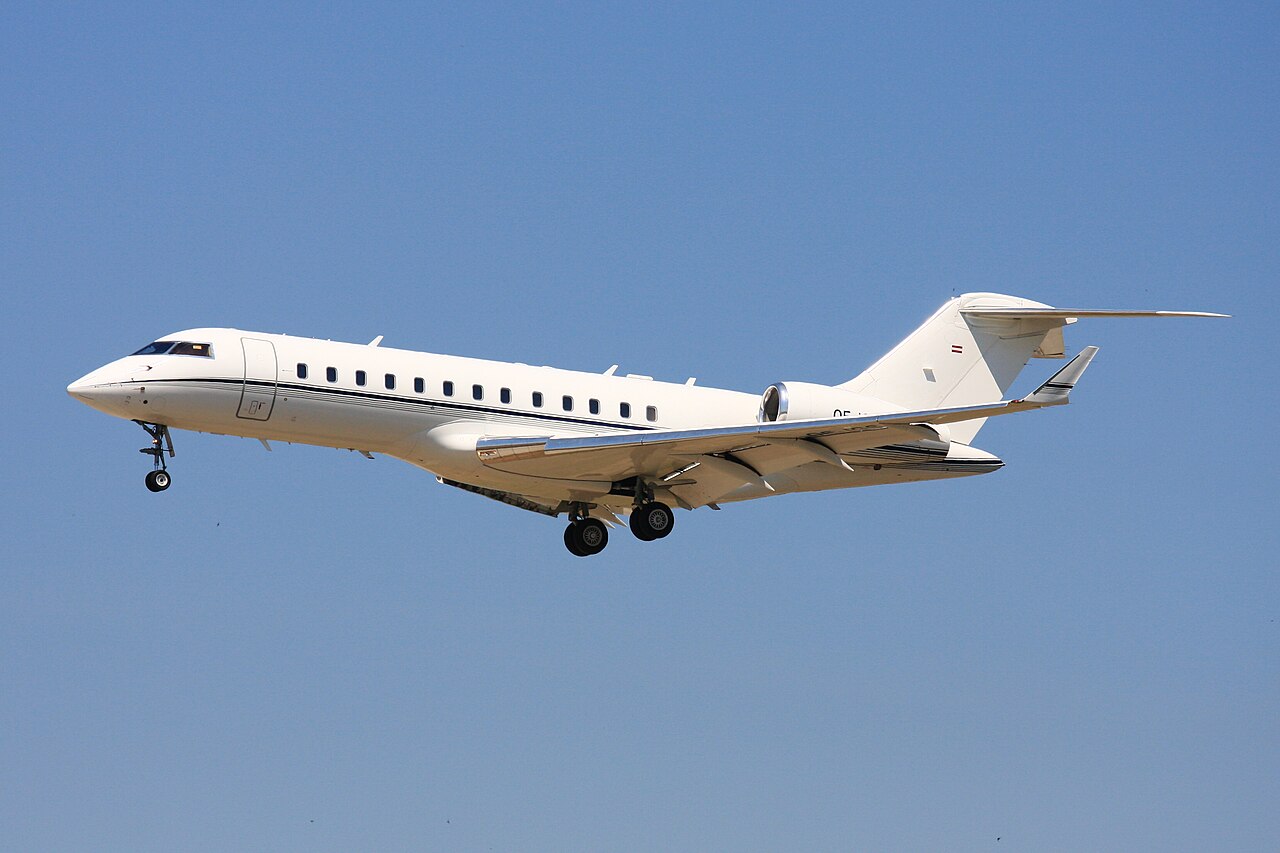
The listing reads $4.2 million, Florida, engines on program. Attractive. Except that number is where the math starts, not where it ends: between the American hangar and the Brazilian registration sit taxes that vary by state, an ocean of logistics, and a nationalization process that has caught out plenty of experienced buyers. The name for the full bill is landed cost, and it is landed cost that decides whether the import is worth it.
The cost of importing an aircraft is the purchase price plus four blocks: taxes (with ICMS varying by state and regime), ferry-flight or freight logistics, technical nationalization, and registration with the RAB, Brazil's civil aircraft registry (ANAC). Getting the tax framing right changes the result by meaningful digits, and that is exactly where a good import and an expensive one part ways.
Why Brazil imports so many aircraft
The American market concentrates the largest fleet and the deepest liquidity on the planet: more supply, more configurations, more documented history, prices shaped by real competition. When the model you want is not for sale here (or is priced high), crossing the border is the natural path, and a good share of the Brazilian executive fleet started exactly that way. The local benchmark always lives on the market pages of the catalog: importing only pays off if the total lands below what is already available here.
The anatomy of landed cost
| Block | What it includes | What drives the value |
|---|---|---|
| Acquisition | Price, commissions, escrow, pre-buy inspection abroad | Model, year, condition and the exchange rate on closing day |
| Taxes | ICMS and other taxes tied to the tax framing | Destination state, operating regime, tariff classification |
| Logistics | Ferry flight, or freight shipped disassembled | Distance, stops, ferry insurance, clearances |
| Technical nationalization | Required inspections and the Brazilian certificate | Aircraft condition and type-specific requirements |
| Registration and customs clearance | Customs broker, fees, recording on the RAB | How document-heavy the operation is |
The process, from contract to registration
Two details from people who have done it: deregistering in the country of origin involves a registry office and a lender over there (a US lien freezes the process exactly the way a Brazilian one does), and the new registration is usually reserved months in advance, so the tail number is waiting for the aircraft rather than the other way around. A field-by-field read of the Brazilian registry is in the RAB lookup guide.
Brazilian registration or registration abroad?
Brazilian registration (PT/PR/PS)
- Aircraft fully on the RAB, no offshore structure
- Domestic operation without extra layers
- Lower recurring structure cost
- The path most of the fleet takes
Foreign registration (e.g., a US trust)
- Common when an international lender requires it
- Resale liquidity in the American market
- Costs and obligations that come with the structure
- Flying in Brazil, it still answers to local operating rules
There is no single right answer: it is an economic and legal decision, made case by case, and it moves the landed cost math in both directions. What does not change: an aircraft flying in Brazil answers to Brazilian operating rules, no matter where its registration sits.
Where the money gets lost
Locking the price before the tax framing
The savings from a good purchase evaporate under a badly chosen tax regime. Tax framing comes before signing, always.
Forgetting that the exchange rate is a schedule
Weeks pass between the offer and nationalization. Currency swings over that stretch are part of the math, not bad luck.
A loose pre-buy because of distance
Inspecting loosely because the aircraft is far away inverts the logic: distance raises the risk, so it should raise the rigor.
And the math does not end on arrival: the aircraft lands and the cost of ownership starts running. That full picture is in how much does a jet cost and in the Jet Tracker calculator.
Get the radar every Friday
New listings, price drops and probable sales of the week, straight to your inbox. Free.
Did this article help? Like it and send it to whoever flies, buys or sells in this market.
Frequently asked questions
What taxes apply to importing an aircraft?
The typical tax load combines ICMS (which varies by state and regime), PIS/COFINS and, depending on the tariff classification, import duty and IPI (excise tax). Getting the framing right changes the math meaningfully, which is why importing an aircraft is a job for a specialized customs broker and tax counsel, not a generic rate table.
Why do so many Brazilian aircraft stay registered abroad?
Foreign-registration structures (such as trusts) exist for financing, international liquidity and planning reasons. They carry their own costs and obligations, and an aircraft operating in Brazil still answers to local operating rules. Choosing between Brazilian and foreign registration is an economic and legal decision, made case by case.
Is it worth importing a used aircraft?
The American market has unmatched liquidity and variety, which usually makes the process worthwhile. The math works when the price abroad, plus the full landed cost, lands below the value of the same model available in Brazil, with the added advantage of choosing the history and configuration you want.