How to buy an aircraft in Brazil: the real step-by-step guide
Buying an aircraft is not like buying a bigger car. The process has its own paperwork, its own inspection and its own traps.
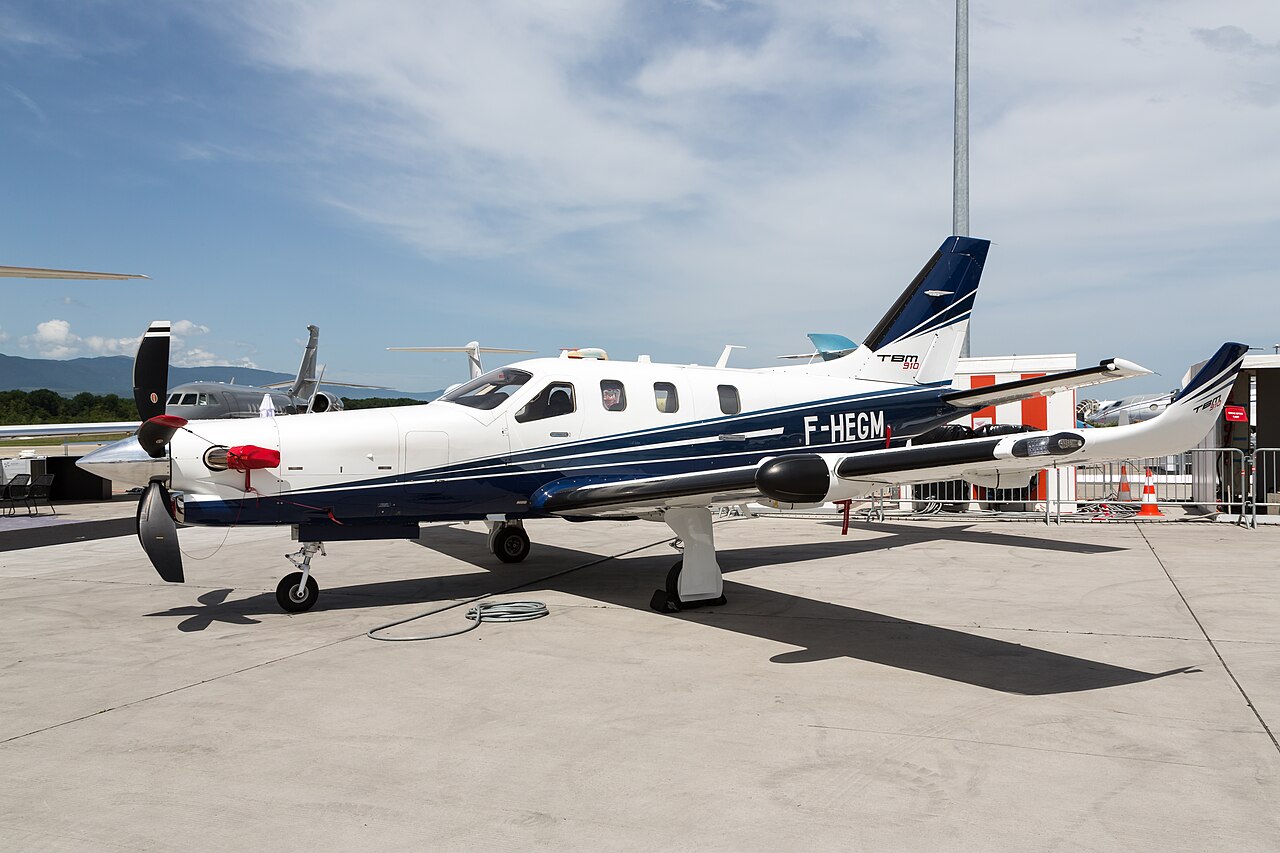
Nobody makes a mistake at the signing table. The mistake in buying an aircraft happens weeks earlier, quietly: in the mission that was never properly defined, the certificate nobody bothered to pull, the inspection skipped "because the aircraft looks flawless." The signature just makes it official afterward. This guide exists so you make none of the mistakes the market keeps making.
Buying an aircraft in Brazil is a six-step process: define the mission, structure the buyer, mine the market (both listed and unlisted), audit the aircraft through documents and an independent inspection, close with conditions precedent, and transfer the registration on the RAB, Brazil's civil aircraft registry (ANAC). In that order, skipping none of them.
The six steps, in the right order
- 01
Define the mission before the model
Four questions decide everything: how many people fly together on the typical route? What is the longest leg without a stop? What runways do you actually need to use? How many hours a year, honestly? The answers rule out entire categories and feed the cost math (the full picture is in how much does a jet cost). The Jet Tracker comparison tool puts range, runway and cabin side by side for exactly this step.
- 02
Structure the buyer
The Brazilian executive fleet lives inside CNPJs, Brazil's corporate tax ID: in the July 2026 census, only 3 turbine aircraft were registered to an individual. Liability, estate planning and how the aircraft will be operated all shape the structure (a dedicated holding company, an operating company, possibly placement with a certified operator for charter). Lawyer and accountant come in before the offer, because the structure changes the contract, the tax bill and the registration.
- 03
Mine the whole market
What is listed lives on the per-model market pages of the catalog (499 active listings monitored as of Oct 4, 2026). What is invisible lives in the registry: grounded fleets, groups mid-reorganization and rare models surface in the operator directory before they ever reach a listing site. And if the local market lacks the configuration you need, markets abroad have it: the full math is in what it costs to import an aircraft.
- 04
Audit the paperwork
The status of the registration on the RAB (the lookup guide teaches you how to read it), an up-to-date lien certificate (a fiduciary lien blocks transfer without the lender's consent), a valid CVA (Brazil's annual airworthiness inspection), airworthiness directives complied with, and logbooks without gaps. A gap in the record knocks down value and hides accidents.
- 05
Audit the metal: the pre-buy
A pre-purchase inspection contracted by YOU, carried out by an ANAC-certified shop you trust, never only the seller's: structure, corrosion, engine trend data, avionics, documentary compliance. It is the cheapest step in the process relative to what it prevents.
- 06
Close and transfer on the RAB
An offer with conditions precedent (the deal closes contingent on the pre-buy and the certificates), discrepancies fixed or priced in, payment tied to the transfer paperwork. Ownership only holds against third parties once it is recorded on the RAB; after that comes insurance, a maintenance program, crew, and, if you plan to charter, inclusion in the operations specifications of an air taxi (RBAC 135, akin to Part 135) operator.
The three traps that cost the most
Skipping the pre-buy
The costliest mistake in the used market. A discrepancy discovered after signing becomes the buyer's loss, and the biggest ones hide exactly where a visual walk-around cannot reach.
Ignoring the lien
An aircraft pledged to a bank does not transfer without the lender's consent. Discovering that after the price is locked turns the negotiation into a hostage situation: always pull an up-to-date certificate, always before the offer.
Buying the price, not the cost
The jet with the cheap entry price can be the expensive one to own: rare parts, heavy inspections, aircraft on the ground. The honest yardstick compares total cost, not the sticker.
The visible market and the invisible one

A meaningful share of ownership changes never runs through a listing: it happens inside the registry, between groups, through a broker working a discreet mandate. That is why anyone tracking the RAB's registry movements (what the Jet Tracker monthly radars do by category) sees the market's real turnover, not just the storefront. Entering the registry means entering that statistic: weeks after your own transfer, it shows up in that month's radar.
Get the radar every Friday
New listings, price drops and probable sales of the week, straight to your inbox. Free.
Did this article help? Like it and send it to whoever flies, buys or sells in this market.
Frequently asked questions
What should you check before buying a used aircraft?
At a minimum: the status of the registration on the RAB, Brazil's civil aircraft registry (ANAC); whether any liens exist (fiduciary lien, attachment); a valid CVA (Brazil's annual airworthiness inspection); a complete maintenance history; the status of airworthiness directives; and an independent pre-purchase inspection carried out by a shop other than the seller's.
What is a pre-purchase inspection (pre-buy)?
It is the technical survey contracted by the buyer before closing the deal: structure, engines, avionics, documentation and compliance. Skipping the pre-buy to save money is the costliest mistake in the used market, because a discrepancy discovered afterward becomes the buyer's loss.
Can an individual own an aircraft in Brazil?
Yes, but it is extremely rare in practice: the Brazilian executive fleet sits almost entirely in the name of companies, for reasons of liability, estate planning and operation. Getting the corporate structure right is a conversation for a lawyer and an accountant before the purchase, not after.
Sources
- ANAC, the RAB: ownership transfer and certificates
- Jet Tracker, aircraft-for-sale market (monitored listings)